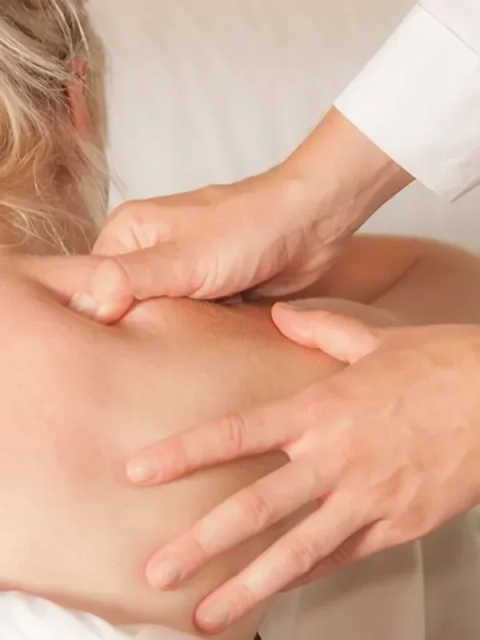
How deep pressure works
Therapists use firm, controlled pressure to reach deeper layers of muscle tissue and locate stubborn knots without being overly harsh on sensitive areas. Work focuses on sustained strokes and focused release to soften adhesions and reduce the restriction that limits range of motion. The technique is deliberate, not rapid, so therapists pace the pressure to avoid unnecessary discomfort.
Because the session specifically targets deep-seated tension, therapists listen and adjust continually. You’ll be asked about comfort and pressure so the therapist can increase, hold, or soften work over a knot. That communication protects sensitive areas while allowing the therapist to access the deeper muscle fibers responsible for chronic tightness.
Session flow and focus areas
A typical 1Hr Deep Tissue Knots worked out Massage begins with a short intake to identify your primary problem areas—neck, shoulders, low back, or hips—then the therapist concentrates the full hour on the most restrictive muscle groups. The concentrated timing means less time on general relaxation strokes and more time resolving the specific knots that cause pain and limited movement.
Clients commonly leave reporting reduced pain, improved mobility, and better sleep after targeted sessions. Because the work is focused, therapists may recommend short follow-ups or home stretches to prolong results; however individual responses vary and progress is monitored across visits rather than promised from a single treatment.
Fair Oaks timing and follow-up
Rema’s location in the Fair Oaks Village/Winding Way area makes early-morning or midday sessions easy for commuters and retirees heading to Rancho Cordova or downtown via Sunrise Blvd and Highway 50. The spa’s proximity to the American River Parkway also makes it convenient for those combining massage with outdoor activity, and timing appointments around local events can support post-event recovery.
Seasonal patterns matter: January and the return-to-routines months of September and October are busiest, when people seek post-holiday recovery or relief after increased fall activity. If you live in nearby Orangevale, Citrus Heights or Carmichael, consider scheduling sooner in those peak months to secure preferred appointment times.