How the method works
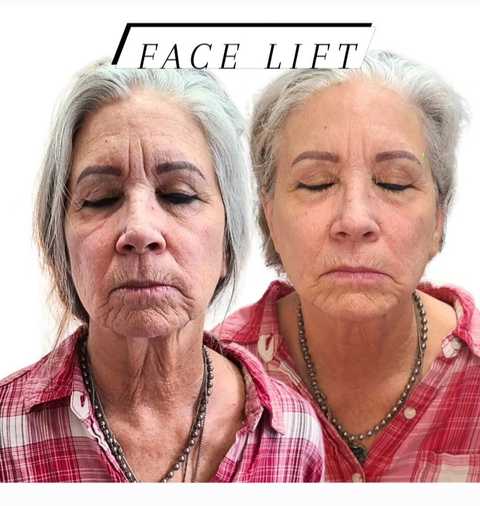
Training focuses on non-surgical facial rejuvenation using modern radio frequency tools to tighten and sculpt skin. Instruction covers how controlled thermal energy is applied in layered passes and how technician movement, energy settings and contact pressure influence tissue response without cutting or implants.
Results are shaped by skin thickness, tissue laxity and client lifestyle factors such as sun exposure and the seasonal air quality typical of Fair Oaks. The course teaches assessment strategies so practitioners can plan realistic multi-session programs and explain expected outcomes without promising specific cosmetic results.
What you learn in class
The curriculum emphasizes hands-on technique for defining the jawline and reducing fine lines while prioritizing safety. Students practice device handling, parameter selection and treatment sequencing, plus client consultation, informed consent and pre/post care guidance necessary for offering a high-end facial lifting service.
Upon completion participants gain a specialized certification that supports adding facial lifting to a professional menu. The training covers client selection, documentation, common troubleshooting and how to design repeatable protocols appropriate for different skin types and aging patterns.
Local client and season considerations
Fair Oaks clients often schedule daytime or early-morning appointments; the area’s commuter patterns on Sunrise Blvd and Highway 50 mean many students and clients value weekday training times. Trainers discuss how local lifestyles—outdoor activities and river recreation—affect sun exposure and consultation recommendations.
Timing matters: many practitioners enroll in January, September and October to prepare anti-aging services ahead of holiday demand. The course also addresses regional climate factors such as hot, dry summers and occasional wildfire smoke, and how those conditions can shape pre-treatment planning and aftercare.